
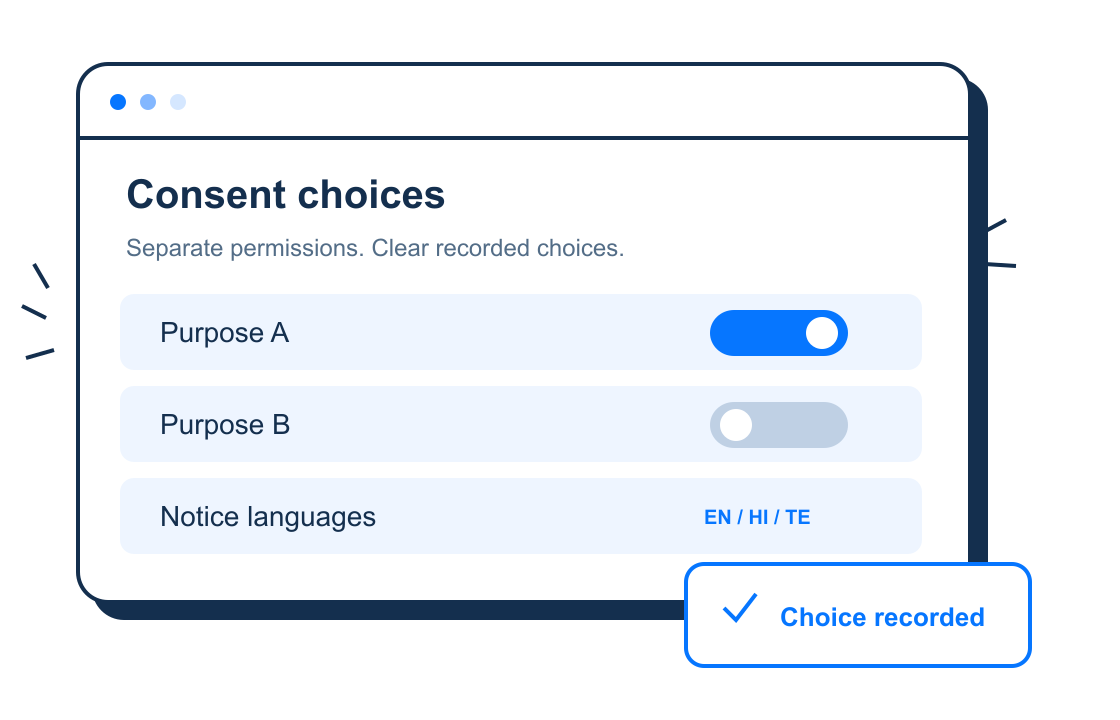
Consent management
Publish clear notices, record independent choices and manage purpose-specific withdrawals.
 We are in collaboration with Privecta.in
Automate consent, privacy rights, retention and data protection workflows across your systems, avoiding DPDP penalties that can reach ₹250 crore per category and ₹250 crore+ across combined violations.
Publish clear notices, record independent choices and manage purpose-specific withdrawals.
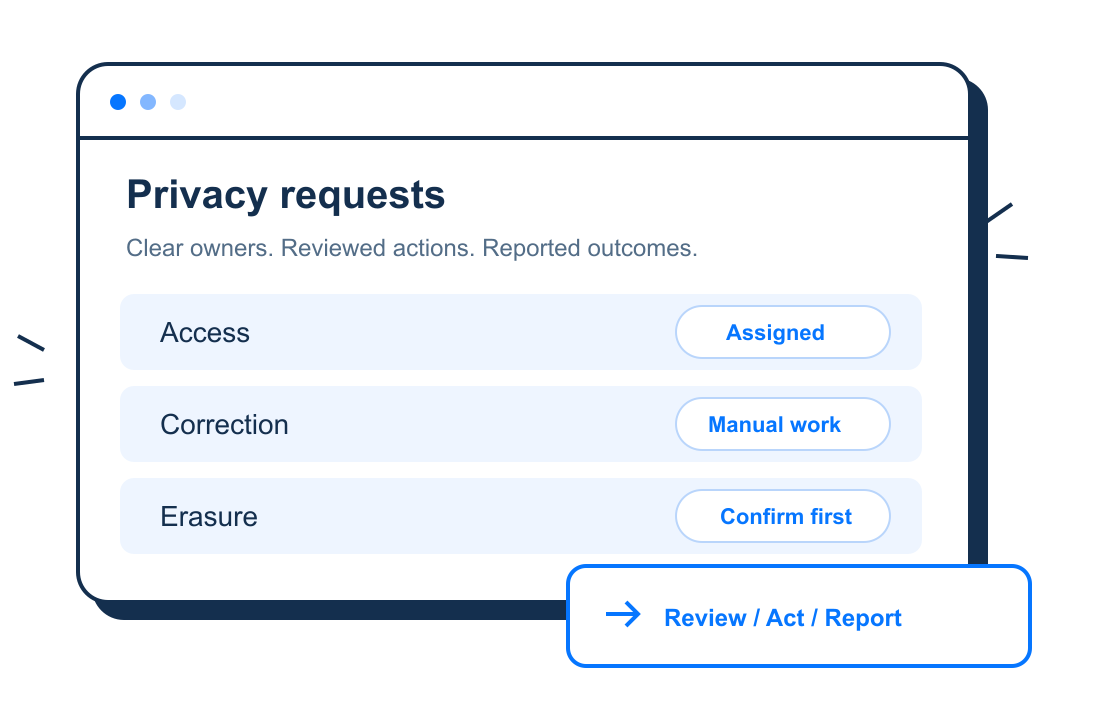
Coordinate access, correction, erasure and grievance requests across teams and processors.
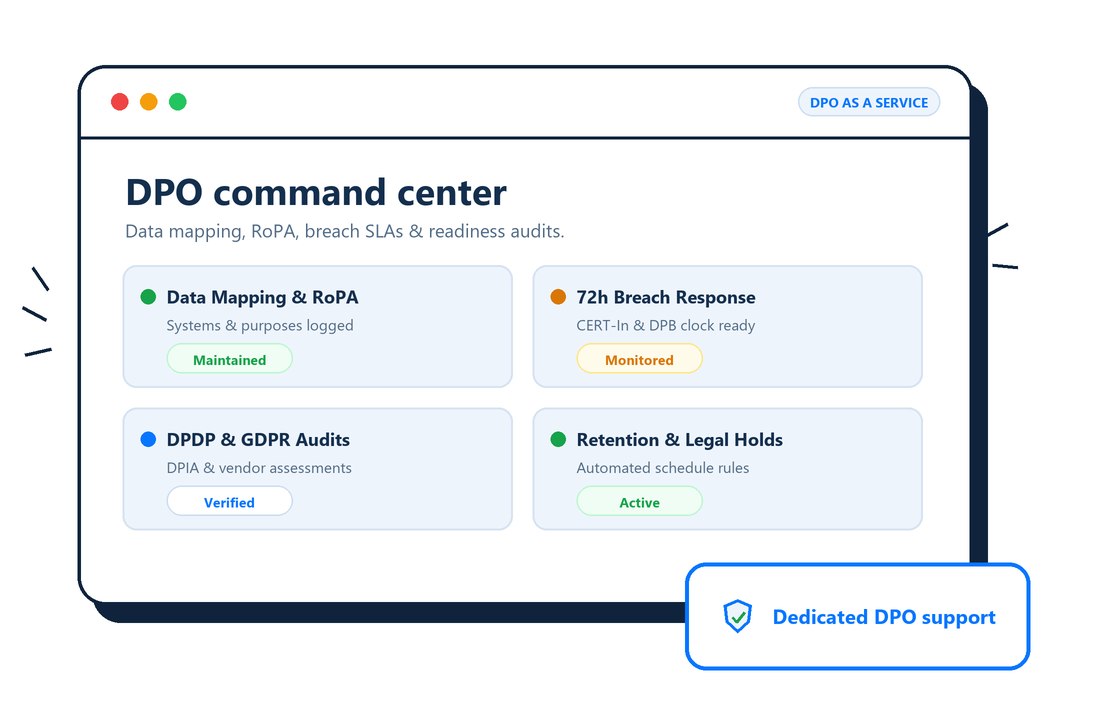
Operate data mapping, RoPA, retention, breach follow-up and readiness audits with dedicated DPO support.
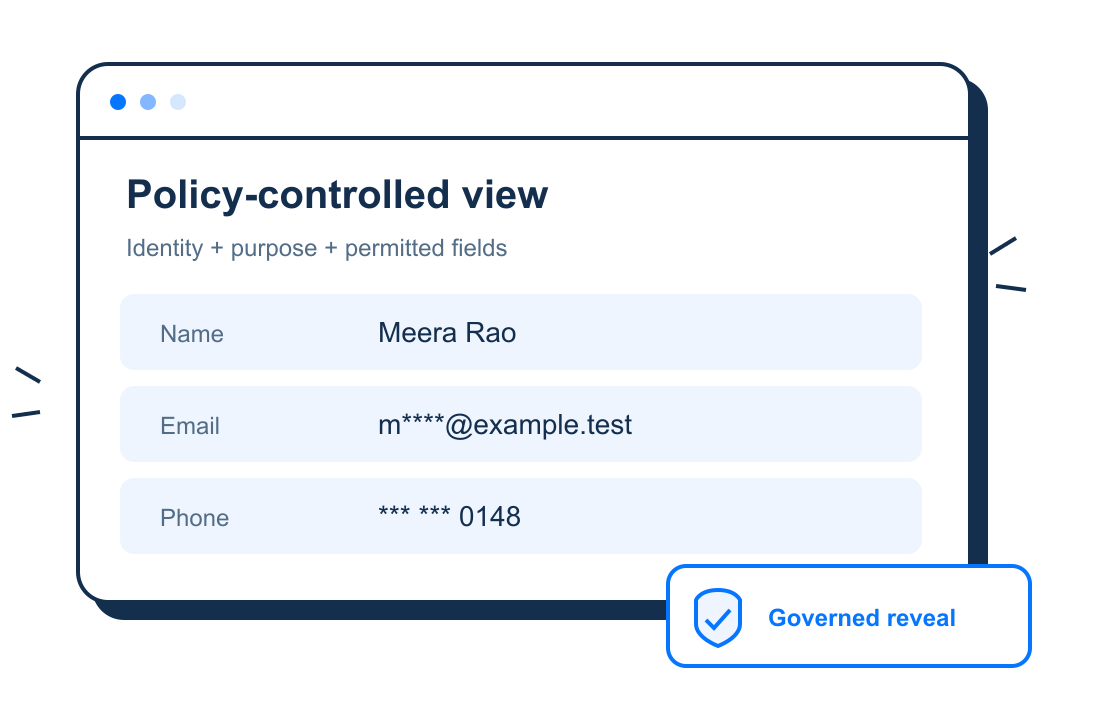
Replace sensitive values with tokens, keep originals encrypted in custody and reveal only what policy permits.
Under India’s Digital Personal Data Protection Act, 2023, financial penalties are assessed per violation category, from reasonable security safeguards (₹250 crore) and breach reporting (₹200 crore) to children’s data and Significant Data Fiduciary duties.
Securelay combines an encrypted data vault, verifiable consent & rights workflows, breach response tracking and dedicated DPO operations to keep your systems aligned and audit-ready.
Explore DPDP readiness| Type of violation | Maximum penalty |
|---|---|
| Failure to maintain reasonable security safeguards | ₹250 crore |
| Failure to notify a personal data breach | ₹200 crore |
| Violations involving children’s data | ₹200 crore |
| Significant Data Fiduciary obligations | ₹150 crore |
| Other violations of the Act or Rules | ₹50 crore |
| Multiple violation categories (combined risk) | ₹250 crore+ |
Rights & grievance, retention & holds, consent management, cookies management, rights management, breach management.
Why personal data leaks from everyday workflows, what changes in May 2027, and the seven questions every organisation must answer.
Three real views from one synthetic customer path: source plaintext, application tokens, and sealed Securelay custody.
Personal details appear in the original record.
Selected fields become tokens. The application keeps its customer record.
The protected values are held separately, encrypted by field.
What these screenshots prove. Protection applies to the fields and routes you connect. Tokenization reduces exposure; it does not make every copy or remaining field anonymous.


Swipe to explore the guides
Independent analysis, grounded in primary sources. Official imagery is editorial, not an endorsement.
Harish on LinkedIn